Introduction
Starting a clothing brand today is easier than ever, but building a reliable production system is where most brands struggle. This is where private label clothing manufacturing becomes essential.
Instead of investing in factories, machinery, and production staff, you partner with an established clothing manufacturer that produces garments under your own brand name. This allows you to focus on design, branding, and sales while experts handle production.
This model is widely used across the USA and Europe by streetwear labels, fitness brands, luxury startups, and eCommerce fashion businesses.
If you are looking for a custom clothing manufacturer USA, clothing manufacturer for startups, or wholesale clothing manufacturer Europe, understanding this process is critical before launching your brand.
What Private Label Clothing Manufacturing Actually Means
Private label manufacturing is a system where a factory produces ready-to-sell clothing that carries your branding instead of their own.
You are not buying pre-made products. You are creating custom apparel from scratch with full control over design, fit, fabric, and branding.
The manufacturer is responsible for:
Fabric sourcing and testing
Pattern making and technical development
Cutting, stitching, and production
Sample creation and adjustments
Quality control and inspection
Labeling, tagging, and packaging
You are responsible for:
Brand identity and positioning
Design OEM clothing manufacturer direction and product concepts
Marketing strategy
Sales channels (Shopify, Amazon, retail, etc.)
This is why private label production is the preferred model for modern fashion startups.
Why Private Label Manufacturing Is the Industry Standard Now
The fashion industry has shifted from mass retail to independent brand building. Instead of competing with big retail stores, new brands are launching directly to consumers.
Key reasons behind this shift include:
Explosion of eCommerce brands
Social media-driven fashion demand
Growth of streetwear culture
Access to low MOQ manufacturers
Faster global logistics and shipping
Reduced startup costs for fashion brands
This is why searches like private label clothing manufacturer, low MOQ clothing manufacturer, and custom apparel manufacturer USA continue growing worldwide.
Step-by-Step Clothing Manufacturing Process
Understanding the production workflow helps you avoid mistakes and delays.
1. Concept & Design Stage
Everything starts with your idea. This could be a sketch, reference garment, or full tech pack.
A tech pack is the blueprint of your product and includes measurements, materials, and construction details.
2. Sampling Development
The manufacturer creates a prototype sample based on your design.
This stage ensures:
Proper sizing and fit accuracy
Fabric performance testing
Stitching and construction validation
Design adjustments before bulk production
Most successful brands never skip this stage.
3. Fabric & Material Selection
Fabric selection defines your brand identity more than design itself.
Common choices include:
Premium cotton for T-shirts
Heavyweight fleece for hoodies
Polyester blends for sportswear
Spandex blends for activewear
???? Custom Varsity Jacket Manufacturing
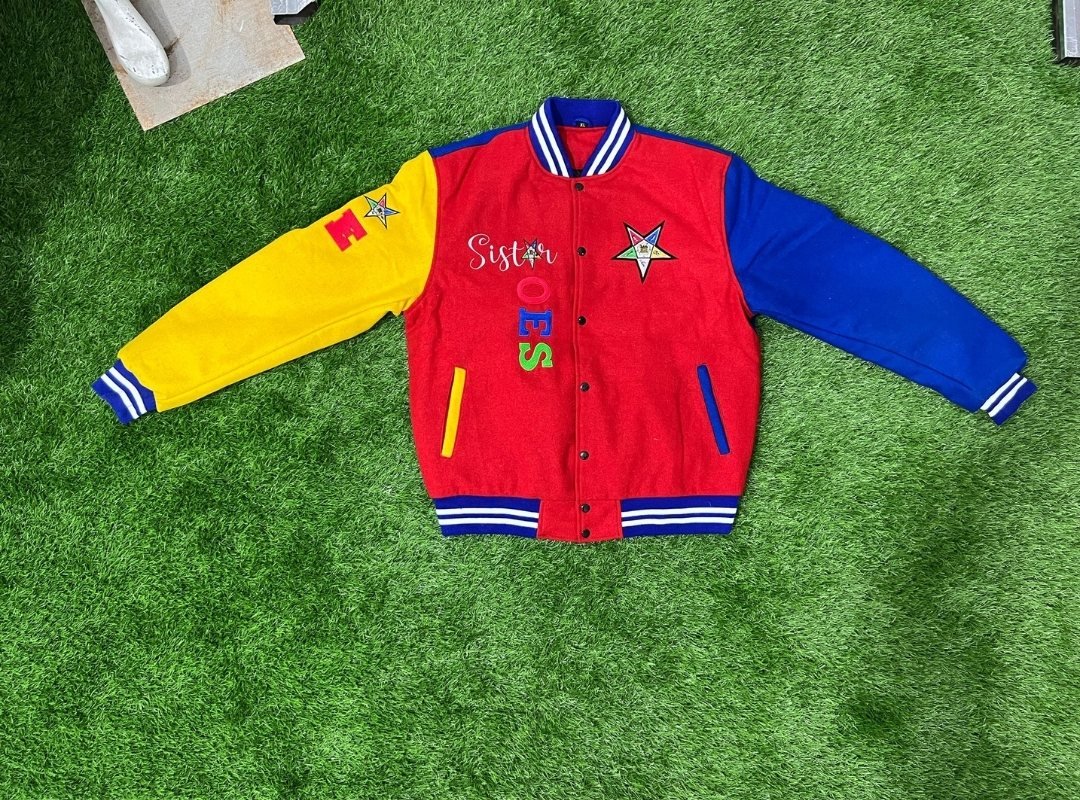
High-end streetwear brands often use varsity jackets to create a premium identity. These require detailed stitching, embroidery, and structured production techniques.
4. Bulk Production Phase
Once the sample is approved, full-scale production begins.
At this stage, efficiency and quality control become the main focus.
???? Custom Tracksuit Manufacturing
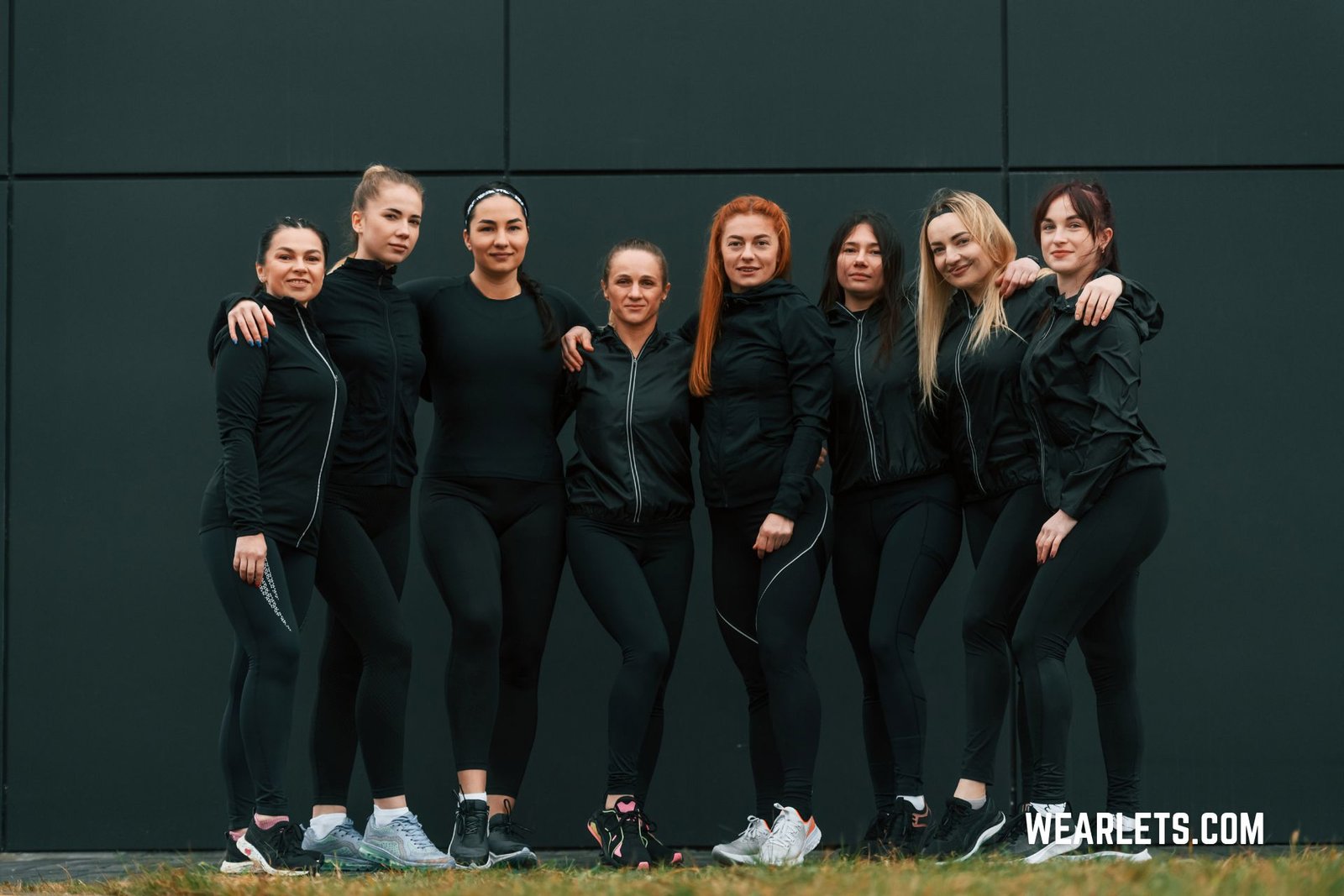
Tracksuits are widely used in sportswear and streetwear fashion. They require precise cutting, fabric consistency, and durable stitching.
5. Branding & Private Labeling
This is where your product becomes your brand.
Includes:
Custom woven neck labels
Printed or embroidered logos
Hang tags and branding inserts
Custom packaging and bags
Strong branding turns basic apparel into a premium product.
???? Custom Hoodie Manufacturing
Hoodies are one of the most important products for streetwear and startup fashion brands. They require heavyweight fabric, strong stitching, and consistent sizing.
6. Final Quality Check & Delivery
Before shipping, products go through final inspection to ensure consistency.
Finished goods are then shipped to:
USA warehouses
European fulfillment centers
Direct-to-customer logistics hubs
Manufacturing in USA vs Europe
???????? USA Clothing Manufacturing
Strengths:
Faster production turnaround
Easier communication
Strong quality control
Ideal for startup brands
Limitations:
Higher production costs
Limited mass production capacity
???????? Europe Clothing Manufacturing
Strengths:
Superior craftsmanship
Strong sustainability standards
High-end finishing quality
Established fashion industry infrastructure
Limitations:
Higher pricing
Longer production timelines
Types of Clothing Manufacturing Services
Streetwear Production
Hoodies, oversized tees, joggers, graphic apparel.
Sportswear & Activewear
Gym wear, compression sets, performance clothing.
Luxury Fashion Manufacturing
Premium fabrics and high-end finishing.
OEM & ODM Services
OEM: You provide design
ODM: Factory provides design options
Why Startups Rely on Private Label Manufacturers
Key advantages:
Low MOQ production options
No factory investment needed
Faster time to market
Easy product testing
Scalable production growth
Realistic Cost Breakdown
Common Mistakes New Brands Make
Not using a tech pack
Choosing cheapest manufacturer
Skipping sampling stage
Poor fabric selection
How to Choose the Right Clothing Manufacturer
Proven experience
Low MOQ flexibility
Strong sampling quality
Fast communication
Export capability
Production scalability
About Wearlets
Wearlets is a professional private label clothing manufacturer helping fashion brands build high-quality apparel with scalable production systems.
Official website:
Core Services
Custom Hoodie Manufacturing
Custom Sweatshirt Manufacturing
Custom Tracksuit Manufacturing
Custom Varsity Jacket Manufacturing
Who This Is For
Streetwear startups
Gym and fitness brands
Luxury fashion labels
Influencer brands
Shopify stores
Wholesale fashion businesses
Conclusion
Private label clothing manufacturing is the most efficient way to build a fashion brand today.
It removes the need for factories and allows you to focus on branding, marketing, and scaling.
With the right manufacturer, a small idea can grow into a global clothing brand.